How Interior Design Increases Property Value and Why It Is a Smart Investment
In a world that feels increasingly fast-paced, loud, and overstimulated, homeowners are gravitating toward interior styles that create balance..
Abygail Saieva
Lead Designer
Design Insights
Interior Design Is Often Seen as a Cost
Many homeowners view interior design as an added expense. Something that improves how a space looks, but does not necessarily contribute to its long term value. This perspective overlooks one of the most important aspects of design. Interior design increases property value not only by enhancing appearance, but by shaping how a space is experienced, perceived, and ultimately valued. The impact is evident in staging, often a decisive factor in how a home is judged, marketed, and sold.
Property Value Is Influenced by More Than Location
While location remains a fundamental driver of property value, it is only part of the equation. What happens inside the home carries equal weight in how that value is ultimately perceived. A thoughtfully designed interior has the ability to transform the entire experience of a space.
It can elevate how refined it feels, improve how naturally it functions, and increase its overall desirability without any structural change. These qualities directly influence how people respond to the property both emotionally and financially, shaping their willingness to engage with and invest in it.
How Interior Design Increases Property Value
First Impressions Shape Perception
From the moment someone steps inside a home, a judgment is already forming. In seconds, they are not just observing the space, they are imagining a life within it. When a home is cohesive, thoughtfully designed, and visually balanced, it instantly communicates a sense of quality and intention. That immediate clarity shapes how the entire property is perceived moving forward. This early perception carries weight, often influencing both emotional response and perceived market value. Homes that feel intentional from the start are the ones that stay in mind and attract stronger interest.
Layout and Flow Improve Functionality
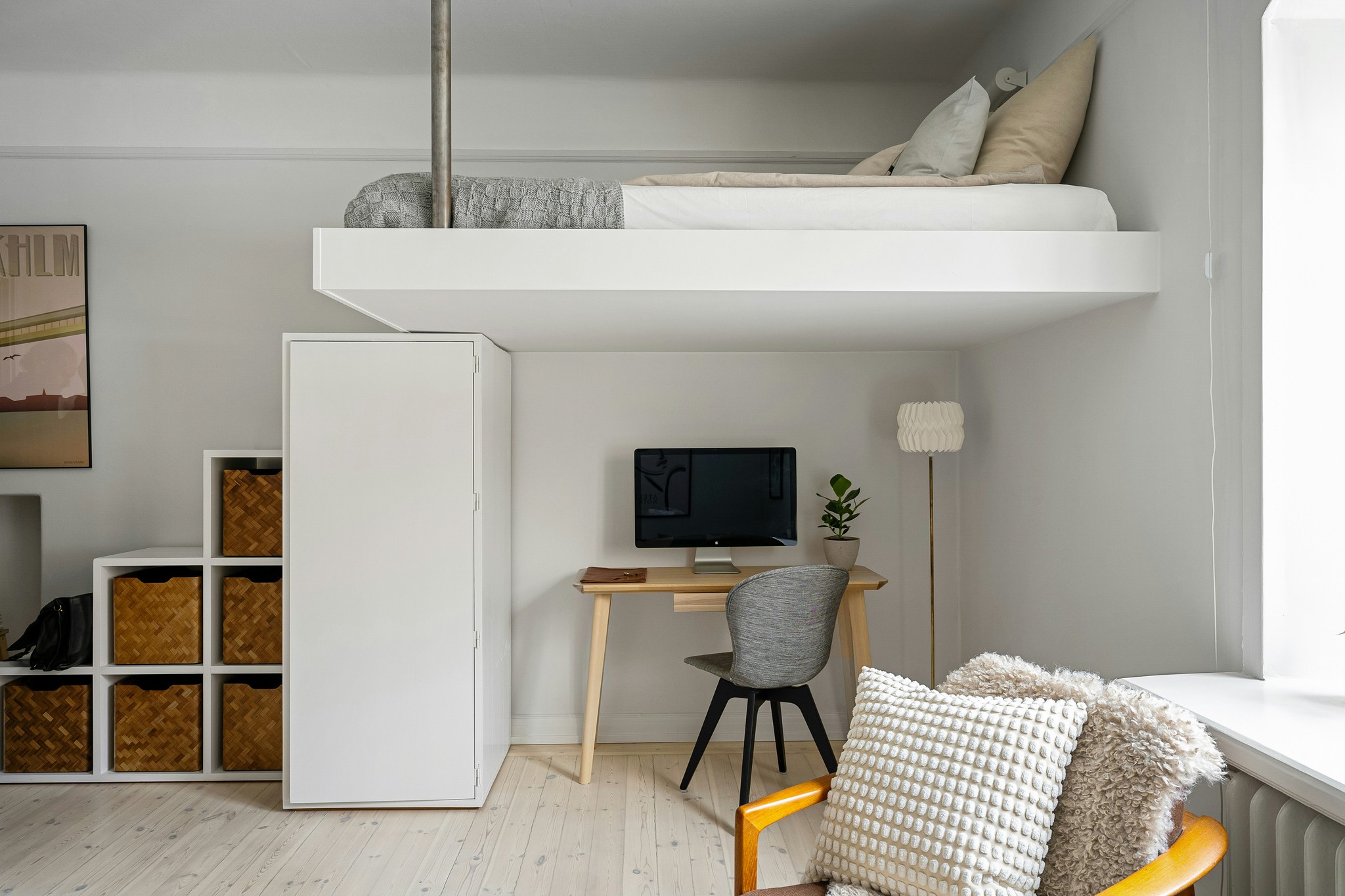
One of the most overlooked ways interior design increases home value is through thoughtful spatial planning. A well-designed layout maximizes usable area while maintaining a clean, intentional feel—never overdone or visually cluttered.
Good flow improves movement throughout the home, creates natural balance, and ensures every square foot has purpose without feeling forced. When a space is optimized correctly, it feels open, functional, and effortless.
Homes that achieve this balance, efficient yet restrained, are not only more livable, but also more desirable and ultimately more valuable.
Cohesion Creates a Premium Experience
A home without cohesion can feel disjointed, even when high-quality materials are present. When elements don’t speak to each other, the overall impact is diluted and the space loses its sense of refinement.
True value comes from continuity—when colors, textures, and design choices work together seamlessly. This creates a more intentional and elevated atmosphere that feels thoughtfully composed rather than assembled.
That sense of unity is what ultimately strengthens a property’s appeal and gives it a more premium presence.
Materials and Finishes Shape Perceived Value
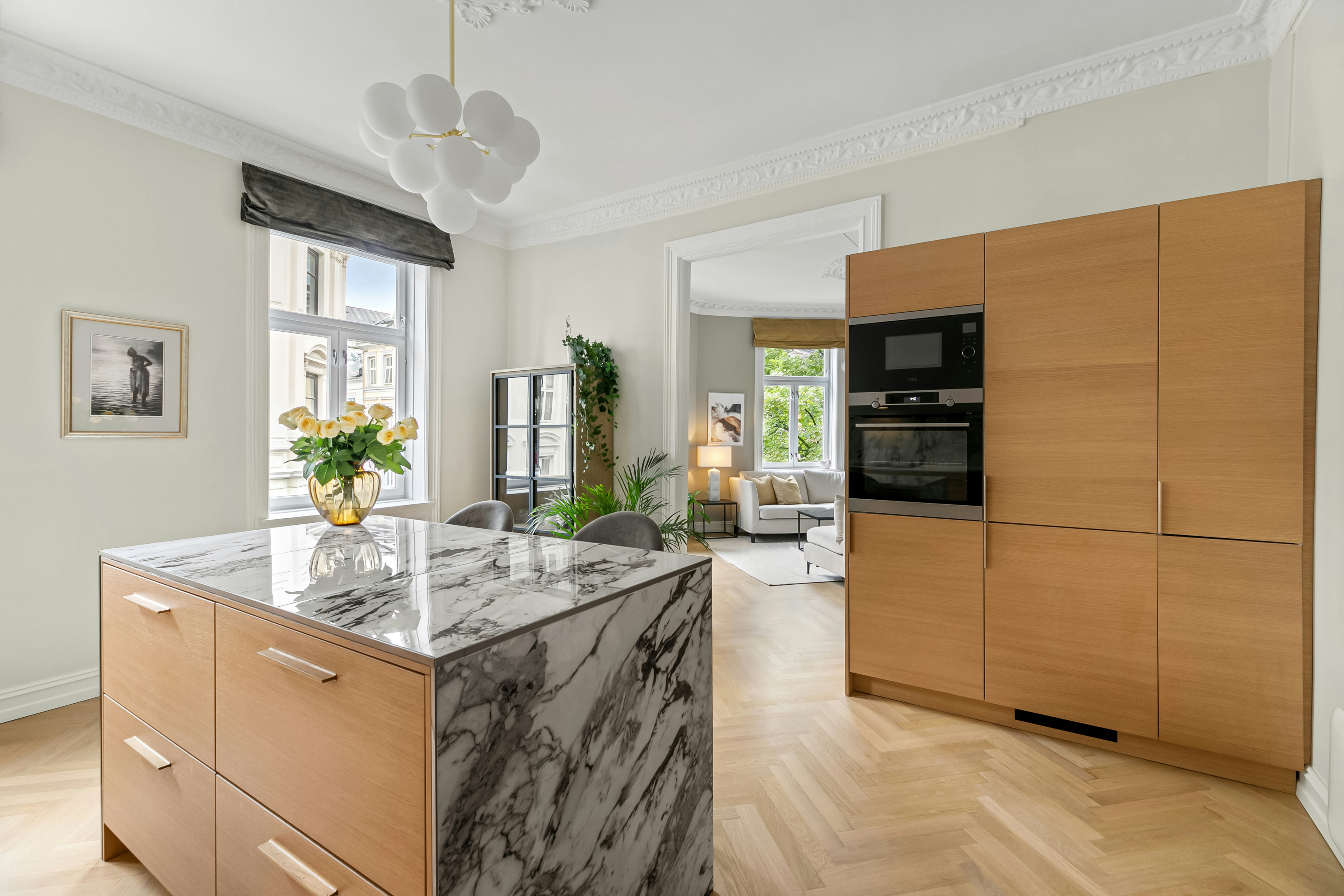
The materials and finishes used throughout a home have a direct impact on how its quality is interpreted. Even without changing the structure, thoughtful selection can completely shift the way a space is perceived.
When finishes are consistent, intentional, and well balanced, the result feels cohesive and refined rather than random or pieced together.
These choices communicate care, precision, and longevity—subconsciously signaling that the home has been thoughtfully maintained and designed to last.
That perception of quality plays a key role in elevating both the emotional response to the space and its overall market value.
Emotional Connection Drives Decision Making
With a background in psychology, I’ve learned that people rarely make decisions based on logic alone, especially when it comes to something as personal as a home. Much of the decision-making process is subconscious, shaped by emotional response and perception within the first moments of entering a space.
Interior design that prioritizes wellbeing, comfort, and psychological ease plays a powerful role in this experience. A space that feels calm, balanced, and intuitively welcoming doesn’t just look appealing—it creates an emotional connection that the mind registers immediately.
That emotional response often becomes the deciding factor, influencing both desirability and perceived value in a way that numbers and specifications alone cannot.
Why Interior Design Is an Investment, Not an Expense
Interior design goes far beyond aesthetics. It directly influences how a home performs, feels, and holds its value over time. A thoughtfully designed space enhances everyday living while also strengthening long term financial return.
A well designed home tends to:
Generate stronger buyer interest
Spend less time on the market
Support higher pricing potential
Retain its appeal as trends change
These outcomes make interior design less of a cost and more of a strategic investment in both lifestyle and value.
How to Increase Property Value Without Major Renovation
Many people assume that raising a home’s value requires full-scale renovations or structural work. In reality, strategic interior design choices can dramatically elevate a property without tearing anything down.
The most effective improvements often come from subtle but intentional updates, such as:
Refreshing walls with a new coat of paint to instantly modernize and brighten the space
Optimizing layout and flow to improve usability and openness
Upgrading or refining material selections for a more elevated finish
Establishing cohesion throughout the home so every room feels connected
Enhancing lighting and atmosphere to shape mood and perception
When these elements work together, they shift how a property is experienced entirely—making it feel more valuable, more refined, and more desirable without major renovation work.
When Design Works Against Value
Not every design decision adds value, some can quietly do the opposite. When choices feel inconsistent, layouts lack intention, or the overall vision is not cohesive, the result is a space that feels fragmented rather than refined.
This becomes even more critical in higher value properties, where expectations are naturally higher and details carry more weight. In these spaces, every design decision is amplified, either elevating the home or diminishing its impact.
Effective design should clarify and elevate a property, not introduce confusion or unnecessary complexity.
Why Professional Design Leads to Higher Returns
An experienced interior designer approaches a space with both vision and strategy, ensuring that every decision supports not only the look of the home, but its long-term value.
Instead of isolated choices, design becomes a coordinated process where each element is evaluated for its impact on functionality, durability, and overall experience.
This level of intentionality minimizes costly missteps and creates a more refined, market-ready result, increasing the likelihood of a stronger return on investment.
The Difference Between Decoration and Value Creation
Decoration is often surface level, focused on visual enhancement without changing how a space truly functions or feels. It can make a home look better, but it doesn’t necessarily make it work better.
Design, on the other hand, is transformative. It considers how a space is lived in, experienced, and understood as a whole.
When interior design is intentional, it becomes a strategic tool for increasing property value. It influences not just appearance, but perception—both for the people living in the space and for how it is positioned in the market.
Final Thought: Value Is Defined by Experience
Property value is not determined by square footage or location alone. It is deeply influenced by the experience a space creates.
Interior design plays a critical role in shaping that experience, turning ordinary spaces into environments that feel intentional, cohesive, and elevated.
When thoughtfully executed, design enhances not only how a home functions in daily life, but also how it is perceived and valued in the broader market.

Key Notes
If you want to increase the value of your home through thoughtful and strategic interior design, Saieva Interior Designs can guide the process with clarity and expertise.
Explore the portfolio or schedule a consultation to create a space that delivers both refined living and long term value.