How to Design a Luxury Home That Feels Cohesive (Without Overdecorating)
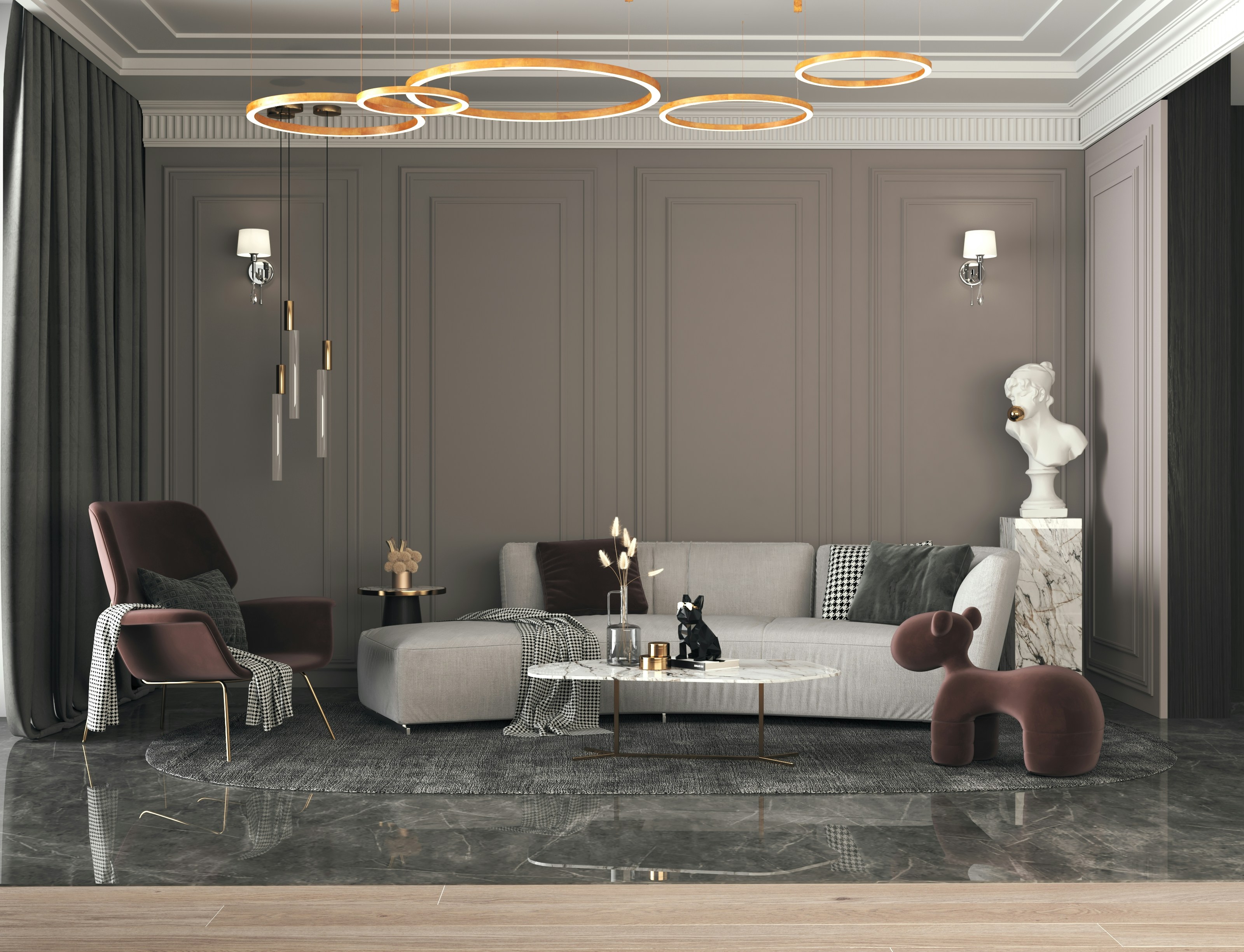
Thoughtfully selected materials, soft colors, and classic design elements come together to create interiors that remain elegant, balanced, and beautifully enduring.
Abygail Saieva
Lead Designer
Design Insights
Most Luxury Homes Do Not Lack Style, They Lack Restraint
It is rarely a question of taste. Most high-end homes are filled with beautiful pieces. Carefully selected furniture, statement lighting, and layered textures all exist within the same space. Individually, everything works. But together, something feels off. The space feels heavy. Disconnected. Overwhelming. This does not happen because there is not enough design. It happens because there is too much design without a clear vision. True luxury is not created by adding more. It is created by knowing what should not be included.
Cohesion Is What Makes a Home Feel Effortless
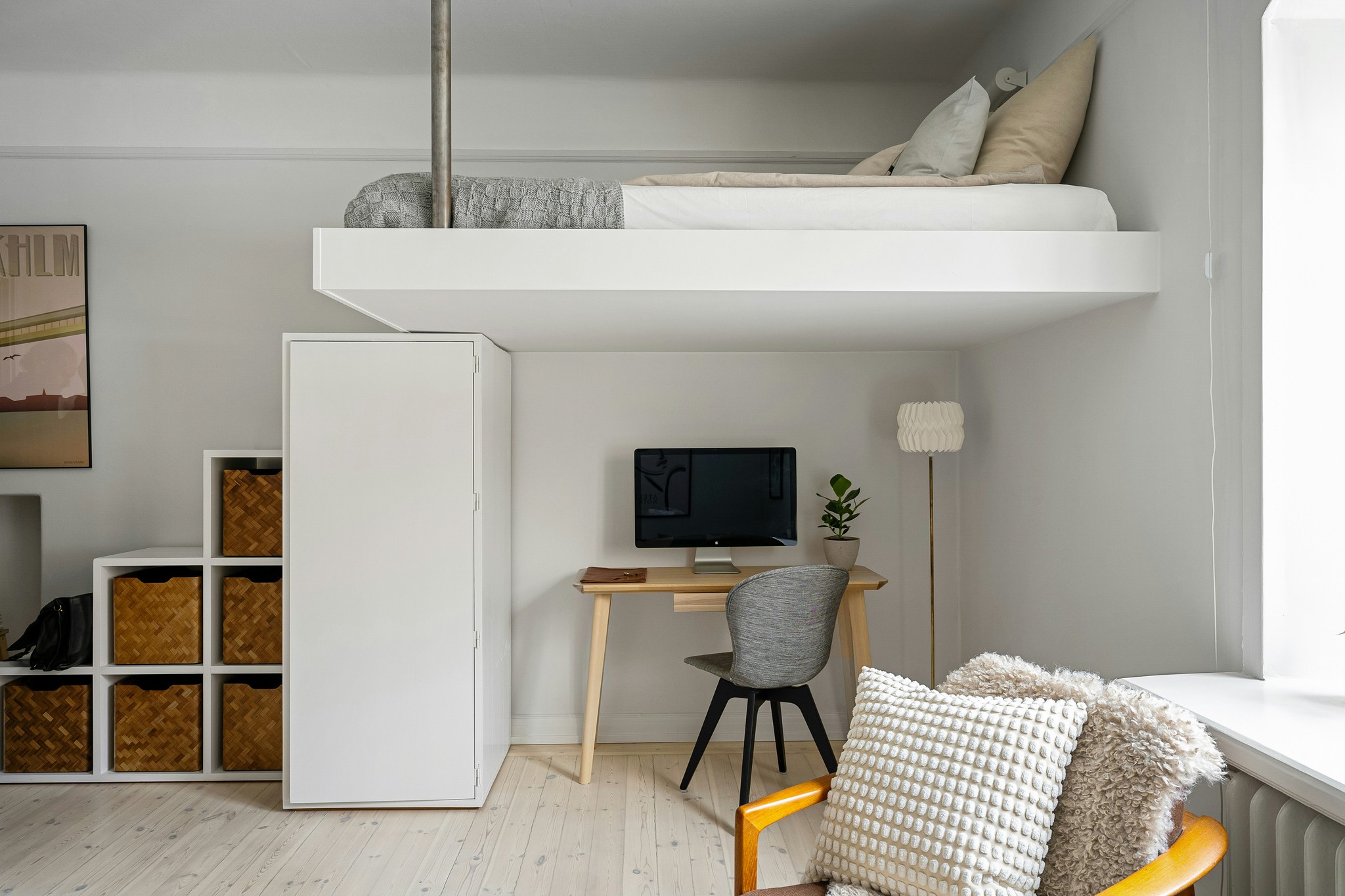
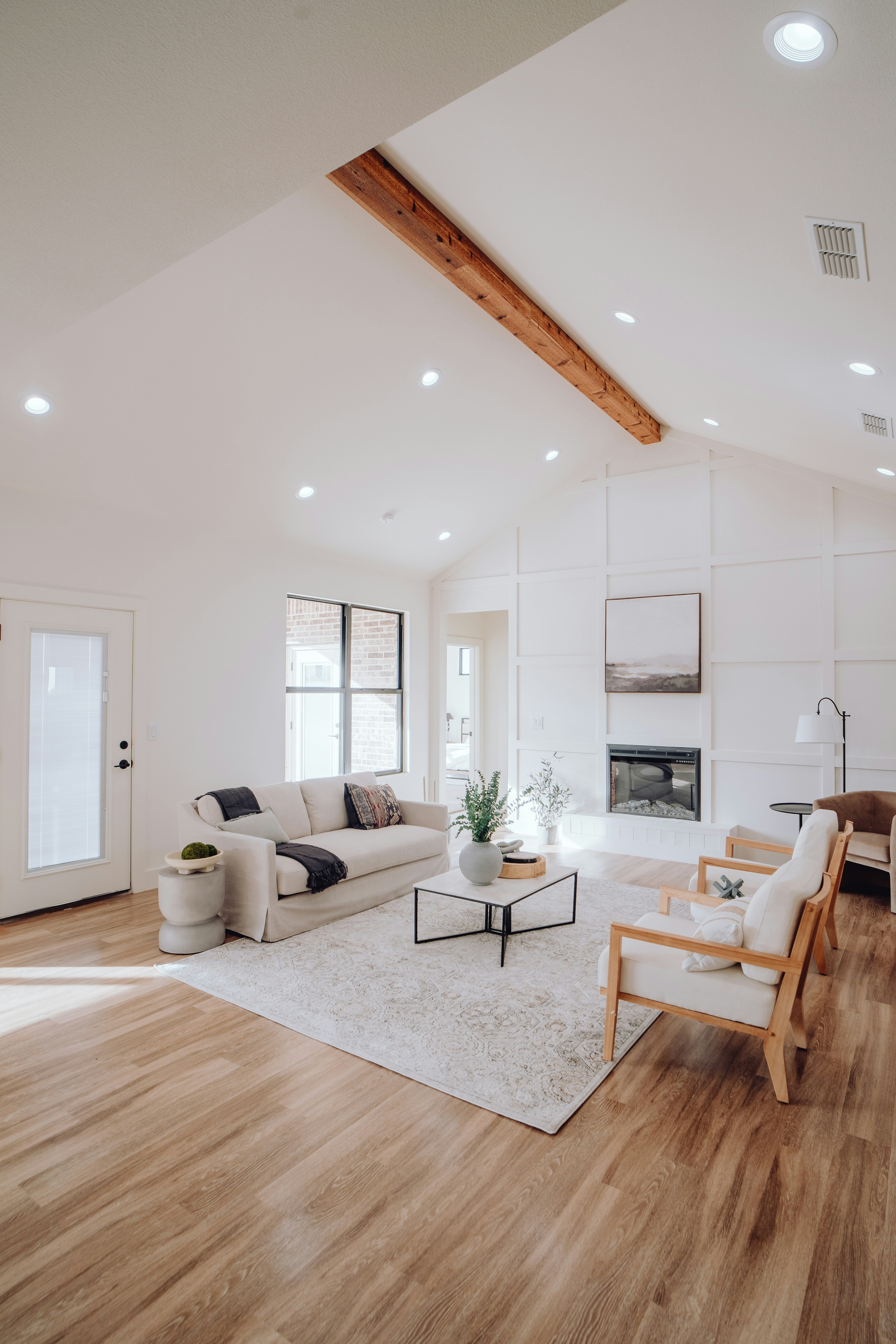
A cohesive home does not demand attention. It guides it. There is a natural sense of flow from one space to the next. Materials feel intentional. Colors transition smoothly. Nothing feels out of place, yet nothing feels forced. This is what separates a home that looks expensive from one that feels refined. Cohesion is not about perfection. It is about alignment.
The Subtle Mistake That Disrupts Even Beautiful Homes
One of the most common issues in high end interiors is not poor design. It is an unstructured design. Pieces are selected over time without a clear framework guiding how everything should come together. The result is a collection of good decisions that do not connect. This is where overdecorating begins. Not through excess alone, but through lack of direction.
The Principles Behind Cohesive Luxury Interiors
Start With a Defined Vision
Before selecting furniture or finishes, the direction must be clear. Not just a style, but a feeling. Should the space feel calm and grounded? Bold and architectural? Soft and layered? Every decision that follows should support that intention. Without this clarity, even expensive elements can feel disconnected.
Refine Your Palette Instead of Expanding It
Before selecting furniture or finishes, the direction must be clear. Not just a style, but a feeling. Should the space feel calm and grounded? Bold and architectural? Soft and layered? Every decision that follows should support that intention. Without this clarity, even expensive elements can feel disconnected. Luxury interiors rarely depend on complexity. They rely on a controlled palette where tones relate to one another and transitions feel natural. This does not limit creativity. It focuses on it. A refined palette allows materials, textures, and forms to stand out without competing for attention.
Design for Continuity Instead of Sameness
Cohesion does not mean every room looks identical. It means every room feels connected. This can be achieved through subtle repetition. A material may appear in multiple spaces. A finish may remain consistent. Shapes and lines may carry throughout the home. The goal is continuity, not uniformity.
Prioritize Presence Over Quantity
In luxury design, fewer elements carry greater impact. A well-placed piece in the right setting will always outperform a space filled with objects. Each item should feel intentional and necessary. When everything is important, nothing stands out.
Allow the Space to Breathe
Space is often misunderstood. It is not an absence. It is a contrast. It allows the eye to rest and gives presence to the elements that remain. Without it, even a thoughtful design can feel crowded.
Why Adding More Rarely Solves the Problem
When a space feels incomplete, the instinct is often to add more. Another chair. Another object. Another layer. In many cases, the issue is not what is missing. It is what is misaligned. Refinement comes from editing. The most meaningful improvement is often achieved by removing rather than adding.
Cohesion Exists Between Rooms, Not Just Within Them
A cohesive home is experienced as a complete environment. The transition from one room to another should feel natural. Many homes fail at this point. Individual rooms may work well on their own, but the overall experience lacks flow. Hallways and entry spaces play an important role. They should reinforce the design language rather than interrupt it.
Materials, Texture and Light Define the Experience
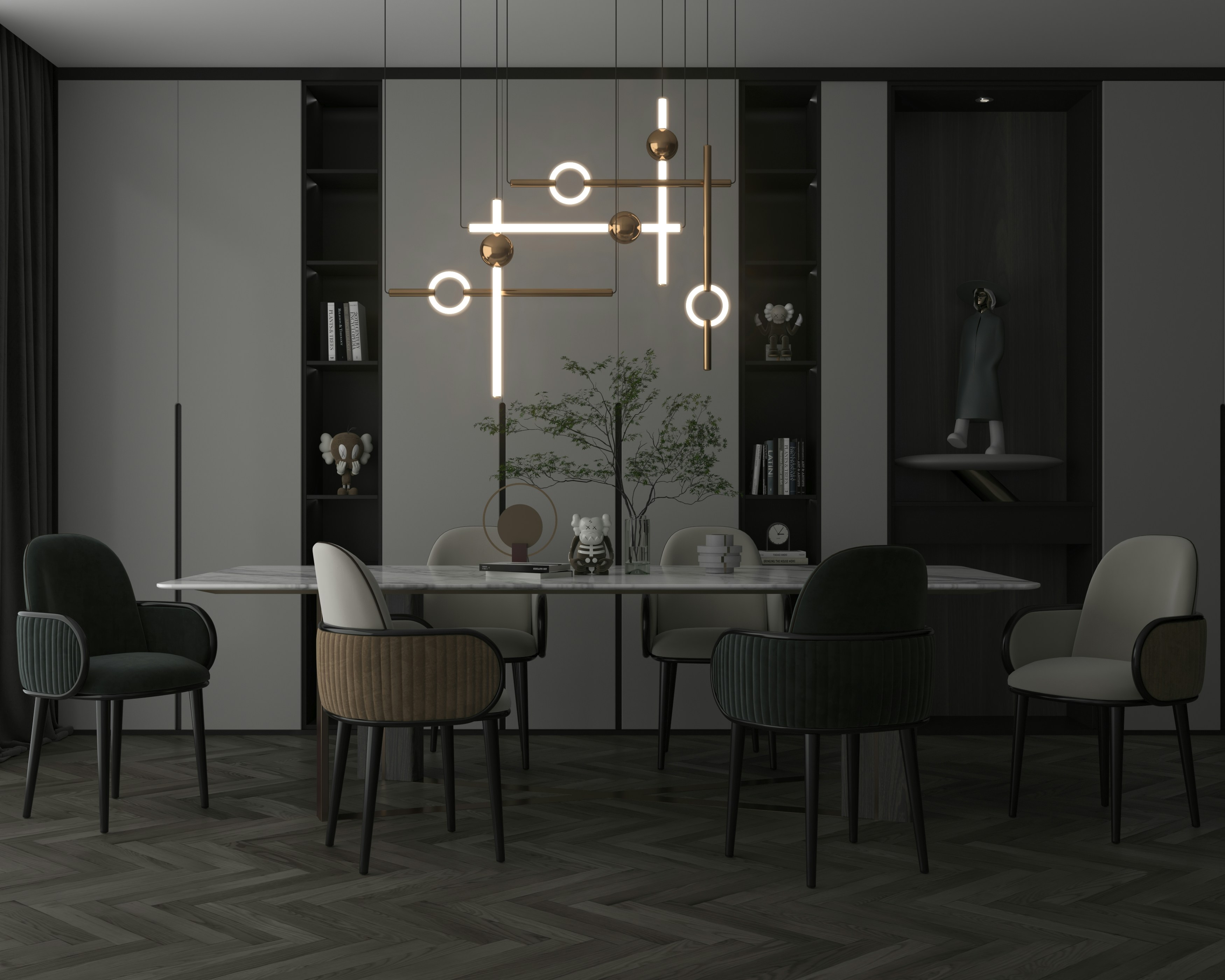
Luxury is often felt before it is seen. It exists in the materials, the textures, and the way light interacts with the space. A consistent selection of materials creates clarity. Layered textures add depth without clutter.
Lighting shapes the mood and highlights key features. These elements work together quietly to support the experience of the home.
Why Cohesion Requires a Clear Plan
Most homeowners do not struggle because of poor taste. They struggle because they make isolated decisions without a structured approach. Cohesion requires planning. It requires understanding how every decision interacts with the whole. High-end interiors are not created by chance.They are designed with intention.
Final Thought: Luxury Is Defined by Restraint
The most refined homes are not filled with excess detail. They are balanced, considered, and connected. There is a quiet confidence within them. Nothing feels forced, yet everything works together. That is what cohesion creates. And that is what defines true luxury.
Key Notes
Why Saieva Interior Designs?
Designing a cohesive home requires more than selecting beautiful pieces. It requires a clear vision and the expertise to bring it together.
If you want your home to feel refined, intentional, and elevated, Saieva Interior Designs can guide the process from concept to completion.
Explore the portfolio or schedule a consultation to begin creating a home that reflects both clarity and sophistication.