The Psychology of Interior Design and How to Create Spaces That Feel Good to Live In
Intentional design, warm textures, and clutter-free arrangements turn ordinary rooms into soulful spaces that inspire comfort, emotional well-being, and purposeful living.
Abygail Saieva
Lead Designer

Design Insights
Why Some Homes Look Beautiful but Do Not Feel Right
Have you ever walked into a space that looked perfect but still felt uncomfortable? Everything may appear well designed; the furniture is in place, the colors are appealing, and the layout seems to be correct. However, something feels off. This is where the psychology of interior design becomes essential. A space is not only experienced visually. It is experienced emotionally. And when that emotional layer is absent, something will always feel incomplete. Whether it’s you, or the space you call home.
The Psychology of Interior Design Shapes How You Feel Every Day
Interior design has a direct impact on mood, focus, and overall well-being. The way a space is arranged, the materials used, the amount of light, and the level of visual clarity all influence how the mind responds. A well-designed space can create calm, clarity, and comfort. A poorly designed space can create tension, distraction, and fatigue. This is why understanding how interior design affects mood is not optional. It is essential.
Why Your Home May Not Feel Comfortable
Many homeowners focus on how a space looks rather than how it feels. They choose pieces they like individually without considering how those elements work together psychologically. This often leads to spaces that are visually appealing but emotionally unsettled.
Common issues include:
Too many competing elements
Lack of visual structure
Poor balance between openness and density
Lighting that does not support the mood
These factors quietly influence how the space is experienced on a daily basis.
The Core Principles of Interior Design for Wellbeing
Clarity Creates Calm
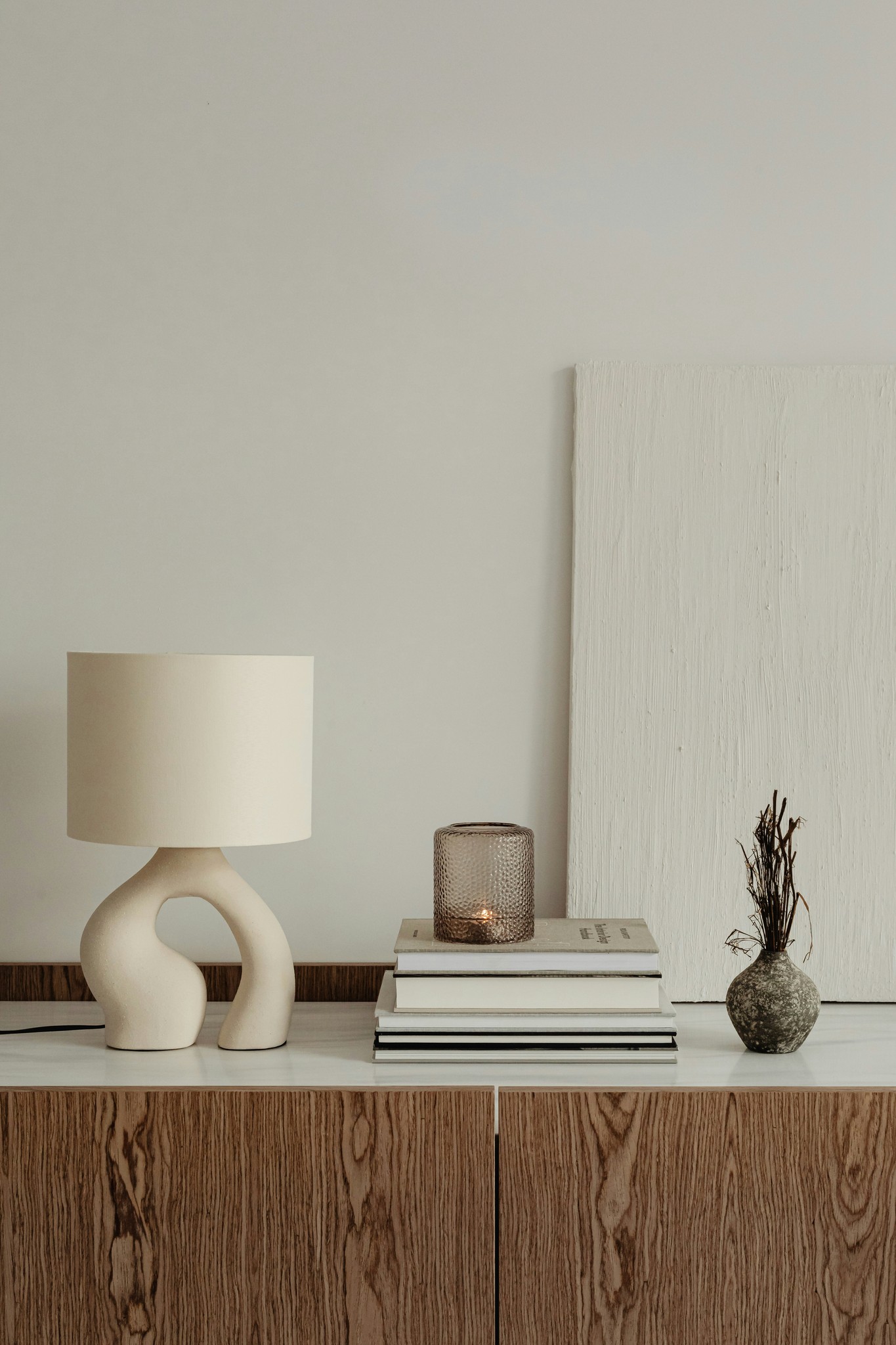
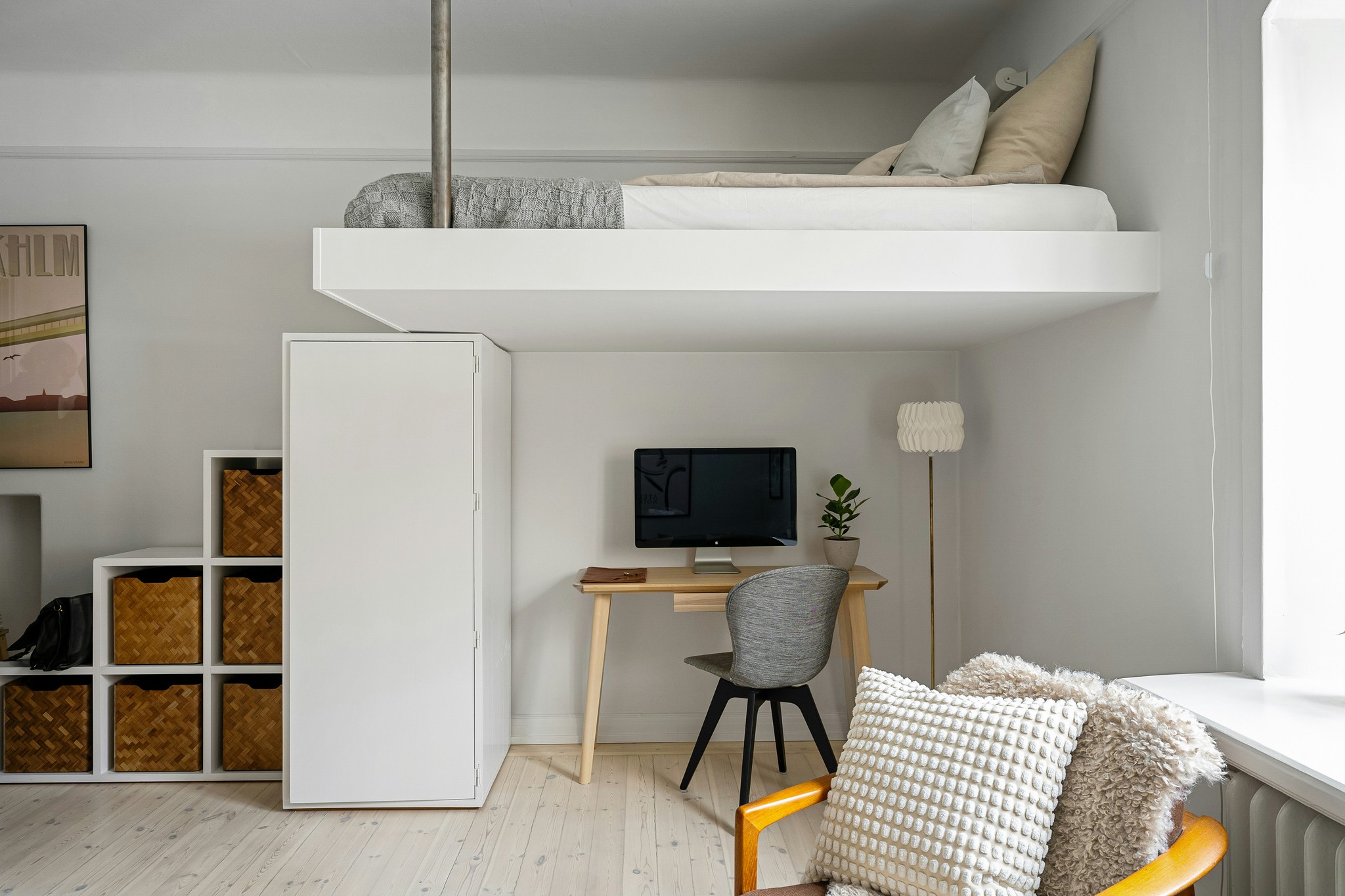
The mind responds well to clarity. When a space is visually organized and free from unnecessary elements, it becomes easier to relax and focus. This is one of the most overlooked aspects of interior design for wellbeing. Reducing visual noise often has a greater impact than adding new elements.
Balance Affects Emotional Stability
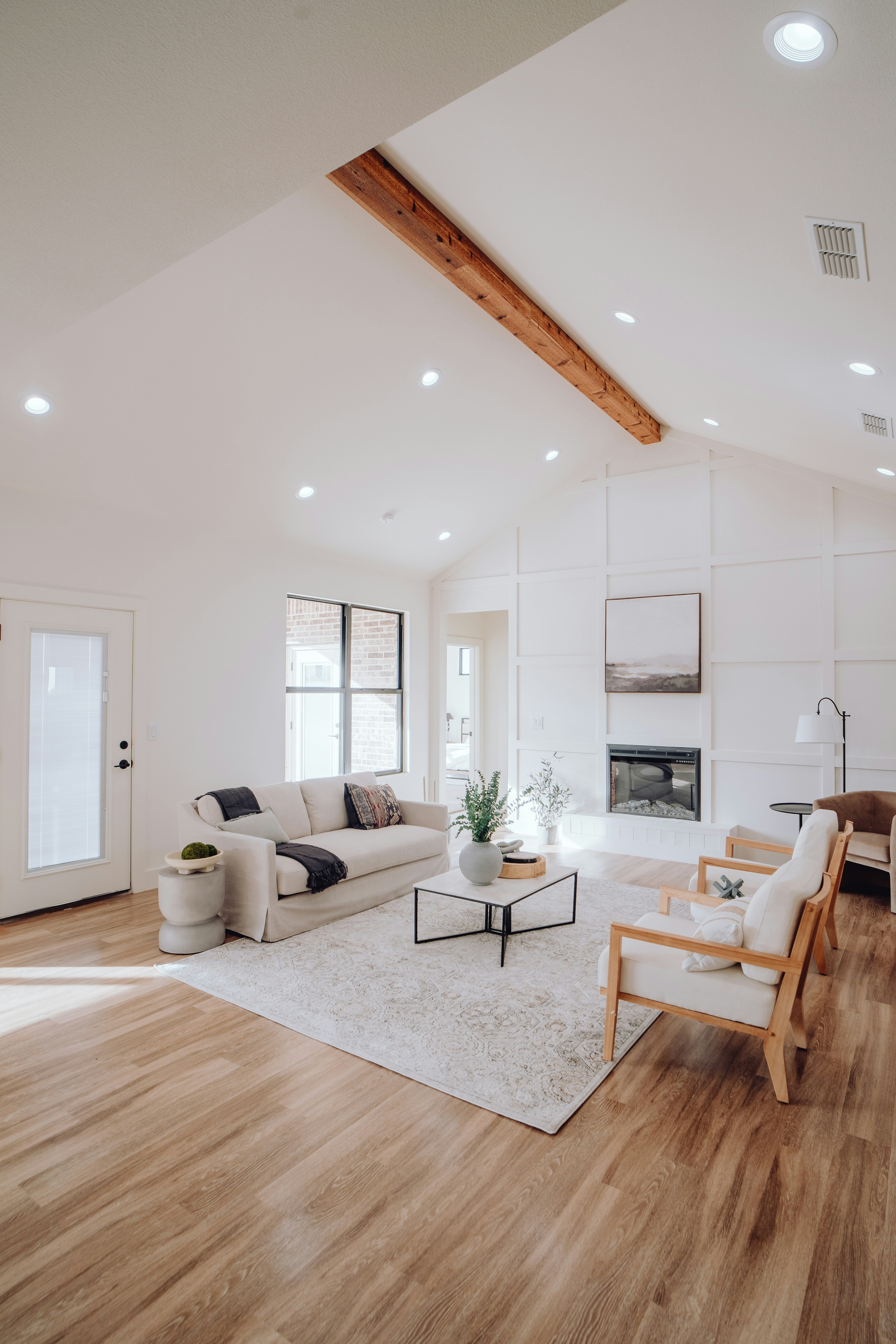
A well balanced space feels grounded. This includes balance in layout, proportion, and distribution of visual weight. When a room feels too heavy on one side or too empty on another, it creates subtle tension. Balanced spaces feel more stable and comfortable to exist within.
Light Influences Mood and Energy
Light plays a powerful role in how a space is experienced. Natural light supports energy and alertness.
Soft lighting creates warmth and relaxation. Layering different sources of light allows the space to adapt throughout the day. This is a key element in designing a space that feels good to live in.
Materials Shape Sensory Experience
Interior design is not only visual. It is sensory. The textures and materials used in a space influence how it feels on a deeper level. Natural materials such as wood, stone, and fabric tend to create a sense of warmth and comfort. Hard and reflective surfaces can feel more formal or distant. The goal is to create a balance that supports the desired emotional experience.
Cohesion Reduces Mental Fatigue
When a space lacks cohesion, the mind works harder to process it. Too many styles, colors, or competing elements create visual strain. A cohesive environment allows the mind to relax. This is why cohesion is not only aesthetic. It is psychological.
How to Design a Space That Feels Good to Live In
Designing for wellbeing requires a shift in perspective. Instead of asking what looks good, ask what feels right. Consider how each decision contributes to the overall experience of the space.
Focus on:
Removing what feels unnecessary
Creating clear structure and flow
Using light and materials intentionally
Maintaining consistency across the space
These decisions create an environment that supports daily life rather than distracting from it.
Why Emotional Design Requires a Structured Approach
Most people rely on instinct when designing their home. While instinct plays a role, it is not enough to create a consistently balanced environment. Designing for emotional impact requires planning. Each element must be considered in relation to how it affects the overall experience. This is where professional design becomes valuable.
The Difference Between a Styled Space and a Lived Experience
A styled space may look good in a photo. A well-designed space feels good every day. The difference lies in intention. When design decisions are made with psychological impact in mind, the space becomes more than visually appealing. It becomes supportive, comfortable, and aligned with how you want to live.
Final Thought A Home Should Support How You Feel
Your home is not just a visual environment. It is the space where you think, rest, focus, and recover. When designed with intention, it can support all of these functions. The psychology of interior design is not about adding complexity. It is about creating alignment between the space and the way you want to feel within it.
Key Notes
If you want to create a home that feels calm, balanced, and aligned with your daily life, Saieva Interior Designs can guide the process with clarity and intention.
Explore the portfolio or schedule a consultation to design a space that supports both how you live and how you feel.