From Empty House to Dream Home: The Interior Design Process Explained
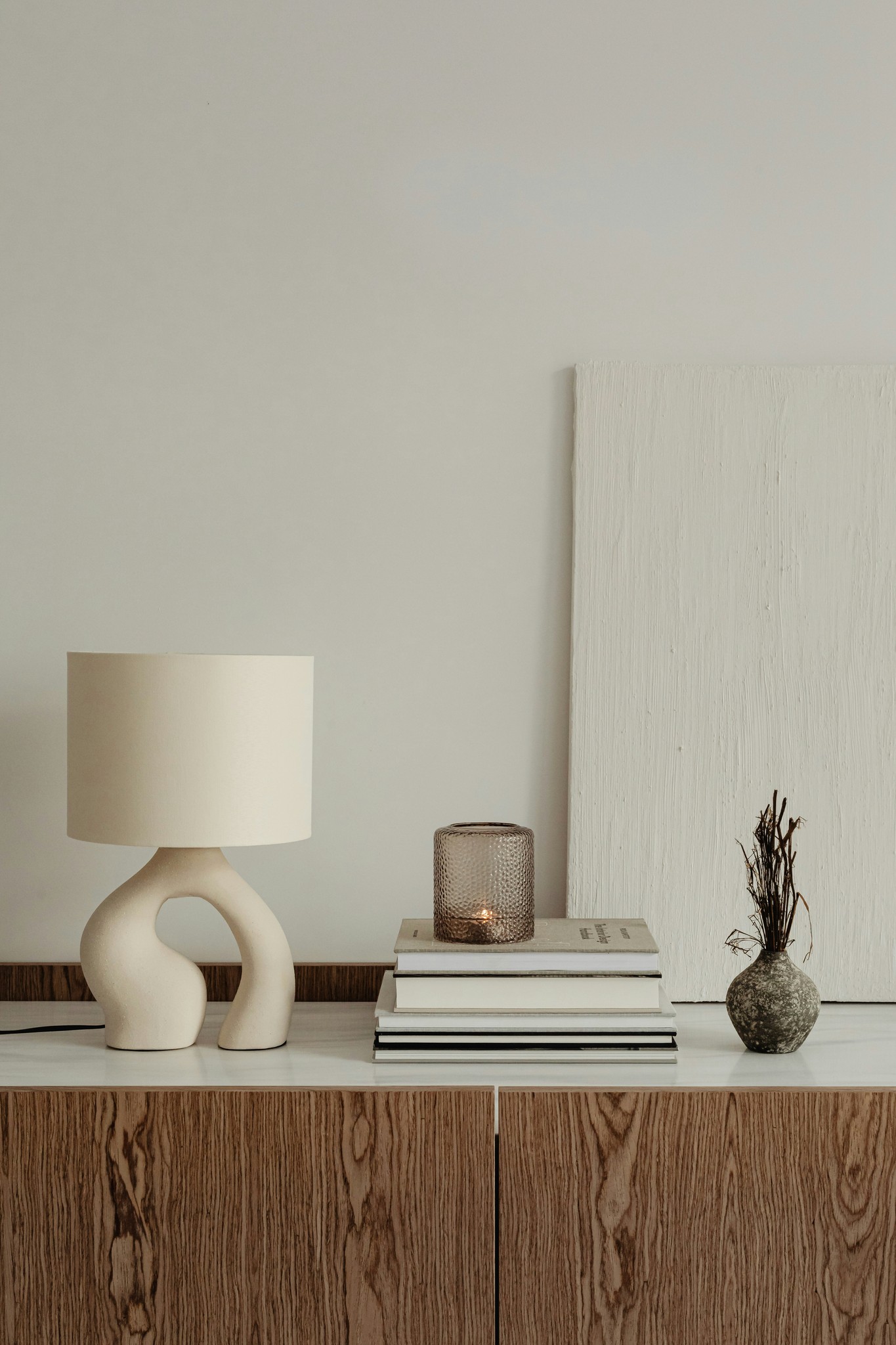
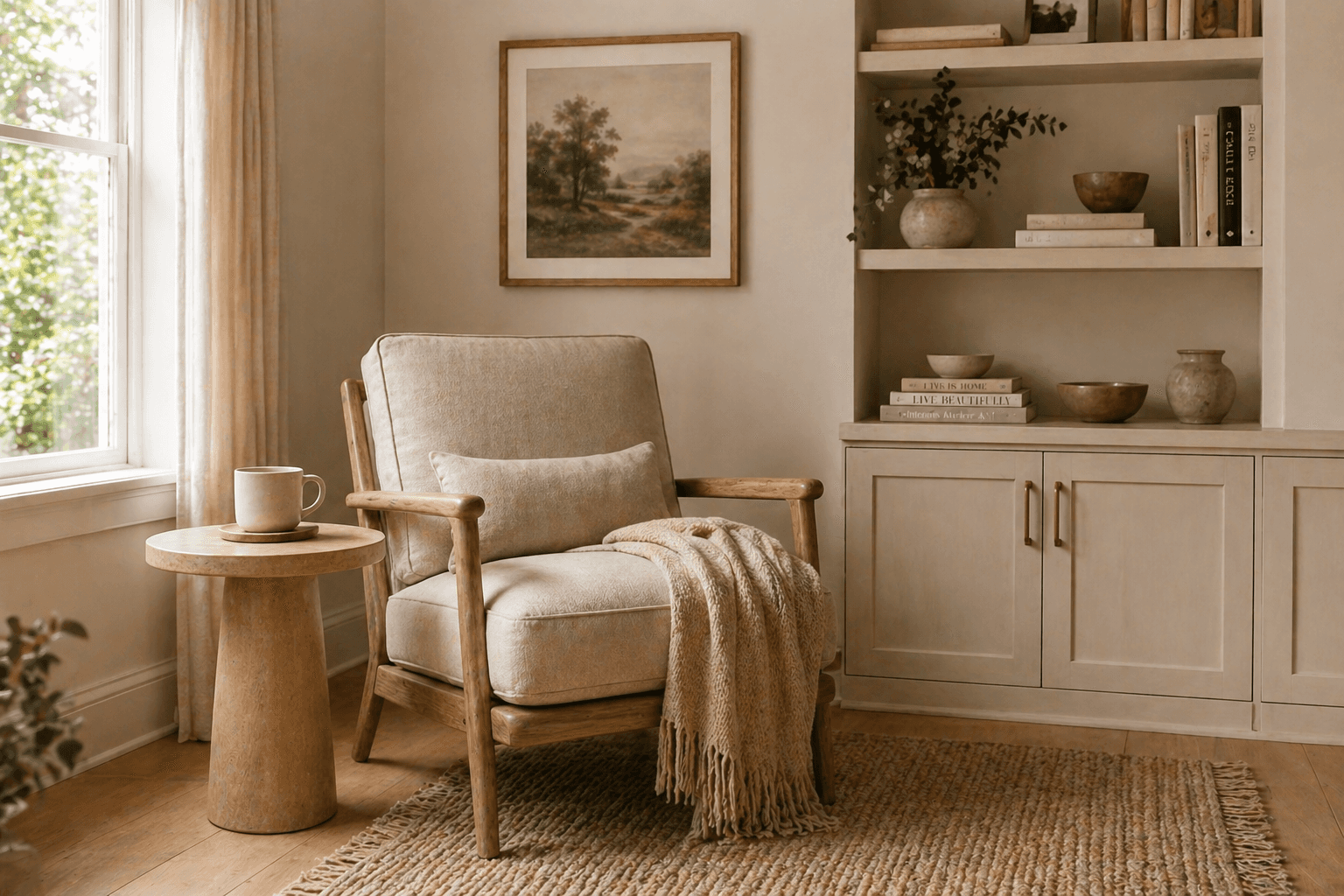
Natural materials and layered textures create depth, warmth, and emotion, shaping a room’s character and enhancing the overall sensory experience.

Abygail Saieva
Lead Designer
Design Insights
A Well-Designed Home Does Not Happen by Chance
Beautiful homes are not created through isolated decisions. They are the result of a clear and structured interior design process. From the outside, the transformation may appear effortless. Inside, it is guided by careful planning, intentional choices, and a deep understanding of how each element contributes to the whole. This is what turns an empty house into a cohesive and refined living space.
Why the Interior Design Process Matters
Many homeowners begin with ideas. They collect inspiration, save images, and imagine what their home could become. Without a defined process, these ideas often remain disconnected. The result is a space that feels incomplete or inconsistent. A structured interior design process ensures that every decision builds toward a unified outcome.
The Stages of the Interior Design Process
Stage One: Understanding the Space and the Client
Every project begins with understanding. This includes the client, the physical space, and how it will be used.
Key considerations include:
Daily routines and lifestyle
Functional needs of each room
Personal preferences and long term goals
This stage creates the foundation for everything that follows.
Stage Two: Defining the Vision
Once the foundation is clear, the overall direction is established. This includes the visual style, the atmosphere, and the intended experience of the home. At this stage, decisions are not made randomly. They are guided by a cohesive vision. This prevents confusion later in the process.
Stage Three Planning the Layout
Layout is one of the most important aspects of the interior design process. It determines how the space functions on a daily basis. A well-planned layout considers:
Movement and flow
Furniture placement
Balance between open and defined areas
This stage ensures that the home feels both functional and comfortable.
Stage Four: Selecting Materials and Finishes
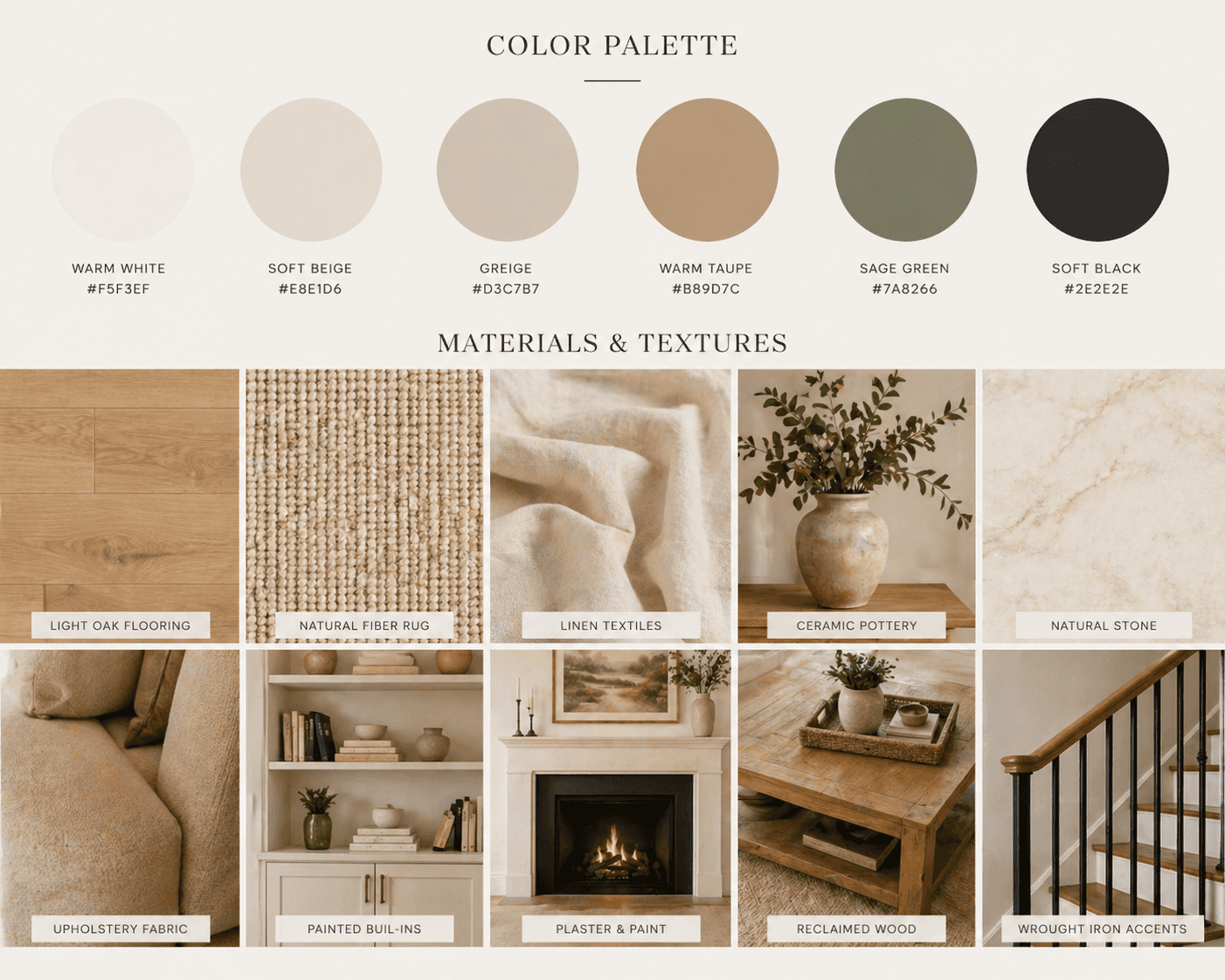
Materials define the character of the space. This includes flooring, surfaces, textures, and finishes. Consistency is key. A curated selection of materials creates cohesion and prevents visual clutter. Each choice is made in relation to the overall design direction.
Stage Five: Choosing Furniture and Key Elements
Furniture is selected based on both function and presence. Each piece should contribute to the overall composition of the space. Rather than filling rooms, the focus is on selecting elements that enhance the environment. This stage brings the design closer to its final form.
Stage Six: Lighting and Final Layering
Lighting shapes how the space is experienced. It highlights features, defines mood, and adds depth. Final layering includes subtle details such as textiles and accessories. These elements complete the space without overwhelming it.
Stage Seven: Execution and Refinement
The final stage is where everything comes together. Installation, adjustments, and refinements ensure that the design aligns with the original vision. Small details are corrected. Proportions are adjusted. The space is brought into balance.
Why Skipping Steps Leads to Disconnected Results
Many design challenges occur when steps are skipped or rushed.
For example:
Choosing furniture before defining the layout
Selecting finishes without a clear vision
Adding details before establishing structure
These decisions create inconsistency. A complete process prevents these issues and ensures a cohesive result.
What to Expect When Working with an Interior Designer
Working with a professional brings clarity to the entire process. Instead of navigating decisions alone, each step is guided by expertise. This reduces uncertainty and prevents costly mistakes. The result is not only a more refined space, but a more efficient and enjoyable experience.
The Difference Between Guessing and Designing
Without a process, design becomes guesswork. With a process, it becomes intentional. Each decision builds on the previous one. Nothing is random. Nothing is out of place. This is what defines high-end interior design.
Final Thought A Dream Home Is Built Through Process
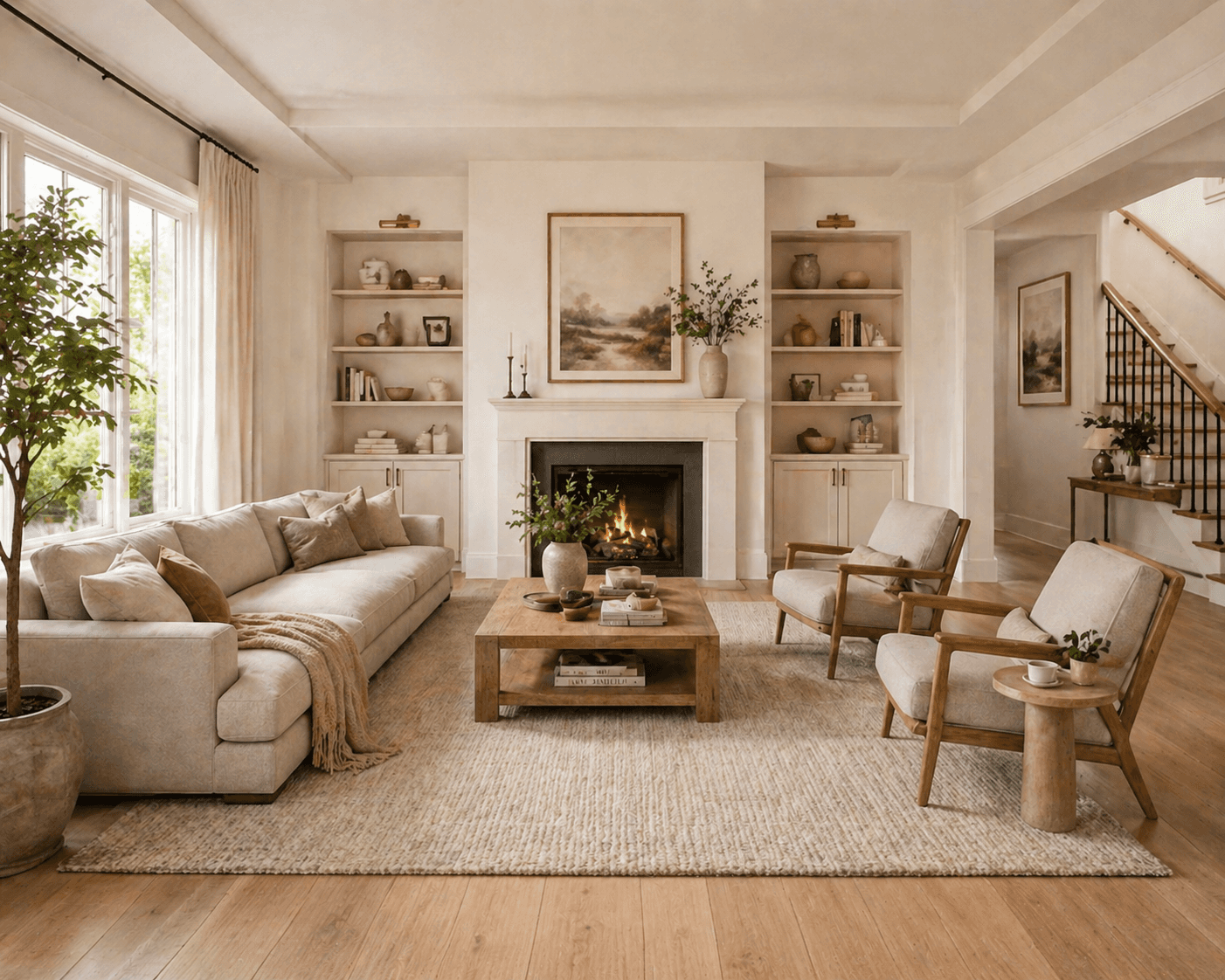
A dream home is not created in a single moment. It is developed step by step. Each stage plays a role in shaping the final result. When the process is followed with clarity and intention, the outcome is a home that feels cohesive, functional, and refined.
Key Notes
If you want to transform your home through a clear and structured interior design process, Saieva Interior Designs can guide every stage with precision and expertise.
Explore the portfolio or schedule a consultation to begin turning your vision into a fully realized space.